Community-Based Reforestation and Land Restoration
[County Name] County recognizes the vital role of healthy ecosystems in mitigating climate change and ensuring sustainable livelihoods. The Community-Based Reforestation and Land Restoration initiative, showcased on the Climate Change Knowledge Sharing Hub, empowers local communities to actively participate in restoring degraded lands and forests.
Key Features:
- Community Ownership: The program emphasizes local communities’ leadership and ownership in identifying restoration needs, planning activities, and managing restored areas. This ensures long-term sustainability and fosters a sense of responsibility.
- Native Species Prioritization: Reforestation efforts focus on planting diverse native tree species, adapted to local conditions and providing multiple benefits (e.g., timber, fruit, fodder, medicinal properties). This promotes biodiversity and strengthens ecosystem resilience.
- Watershed Protection: Restoration activities prioritize the protection and rehabilitation of critical watersheds. This ensures water security for communities and downstream ecosystems, mitigating the impacts of drought and flooding.
- Agroforestry and Sustainable Land Management: The program promotes integrating trees into farming systems (agroforestry) and adopting sustainable land management practices (e.g., terracing, contour farming). This improves soil health, increases productivity, and enhances carbon sequestration.
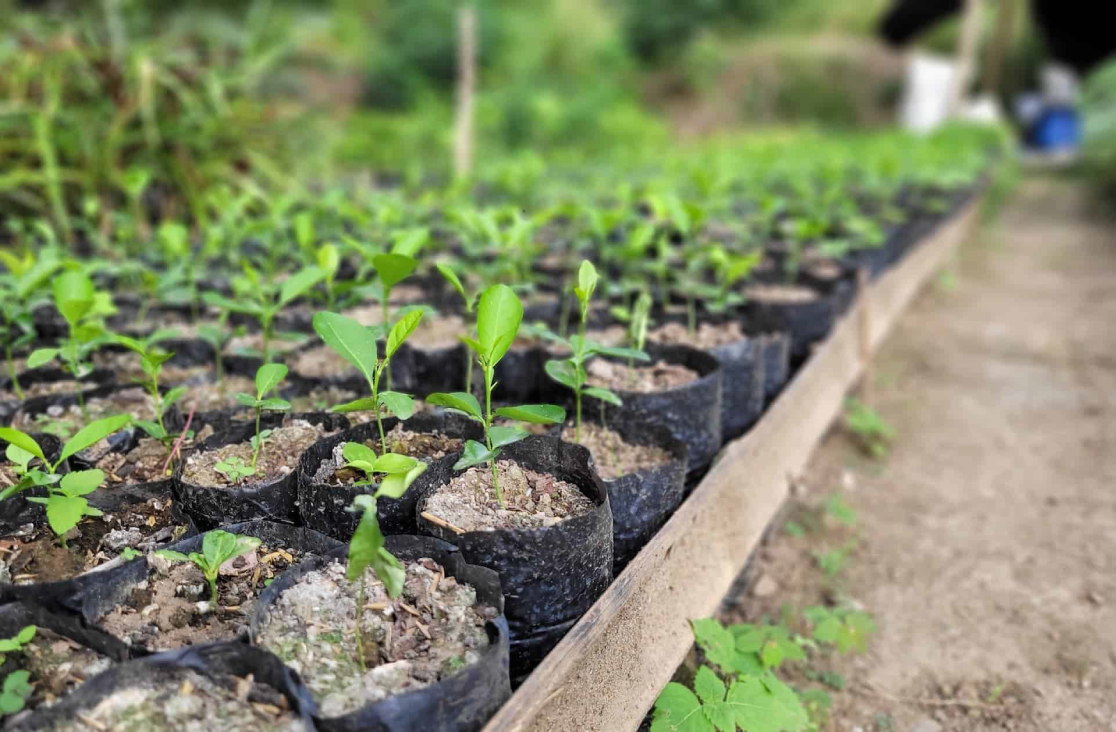
- Capacity Building and Knowledge Sharing: Local communities receive training on tree nursery establishment, planting techniques, forest management, and sustainable land use practices. The Climate Change Knowledge Sharing Hub provides a platform for sharing experiences and best practices.
Benefits:
- Enhanced Forest Cover: Increased forest cover improves carbon sequestration, mitigates climate change, and enhances biodiversity.
- Improved Soil Health: Restored lands exhibit improved soil fertility, water retention, and reduced erosion, leading to increased agricultural productivity.
- Increased Water Security: Watershed restoration ensures reliable water sources for domestic use, agriculture, and livestock.
- Enhanced Livelihoods: Communities benefit from diverse forest products, increased agricultural yields, and new income-generating opportunities through ecotourism and sustainable forest enterprises.
- Climate Change Adaptation: Healthy ecosystems provide a natural buffer against extreme weather events, reducing vulnerability to droughts, floods, and landslides.
[County Name] County is committed to working hand-in-hand with communities to restore degraded landscapes, enhance resilience to climate change, and build a more sustainable future for all.