Climate-Smart Agriculture Extension Services
Climate-Smart Agriculture Extension Services
[County Name] County is committed to supporting farmers in adapting to the challenges of climate change through its Climate-Smart Agriculture Extension Services. This initiative, accessible through the Climate Change Knowledge Sharing Hub, provides farmers with the knowledge, skills, and technologies needed to build resilience and improve their livelihoods in a changing climate.
Key Elements:
- Tailored Information and Training: Extension agents provide farmers with site-specific information on climate risks, weather patterns, and best practices for climate-smart agriculture. Training covers a wide range of topics, including:
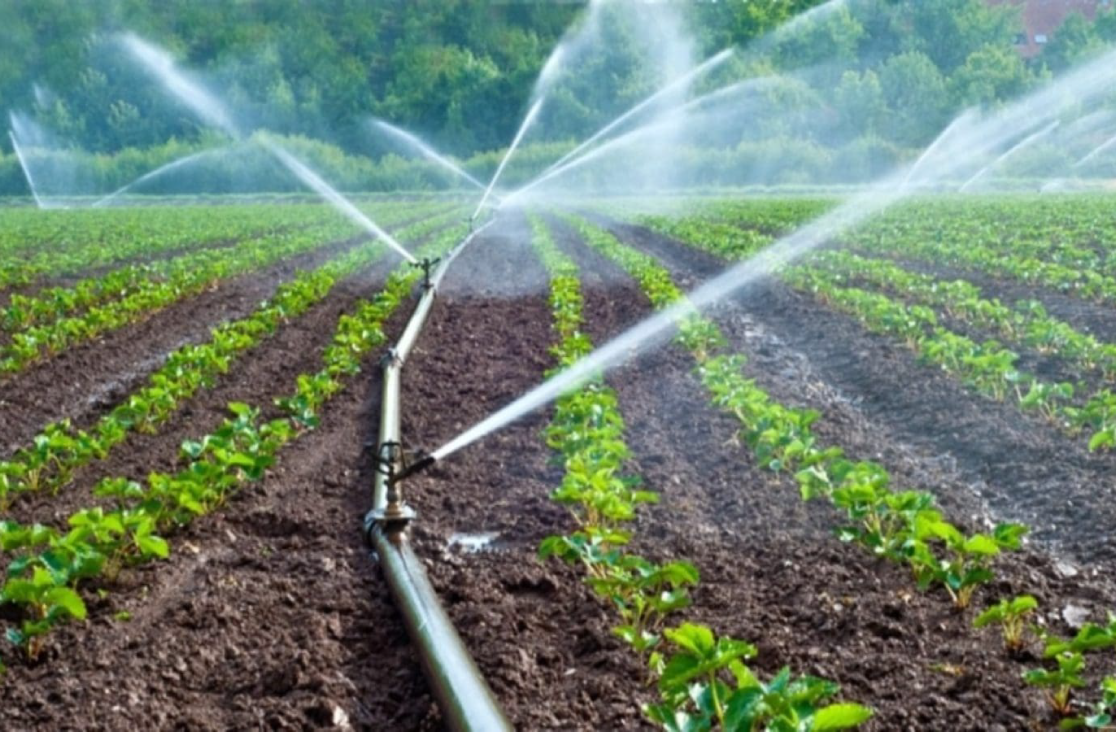
- Drought-resistant crops and water-efficient irrigation techniques
- Soil health management and conservation agriculture practices
- Integrated pest and disease management
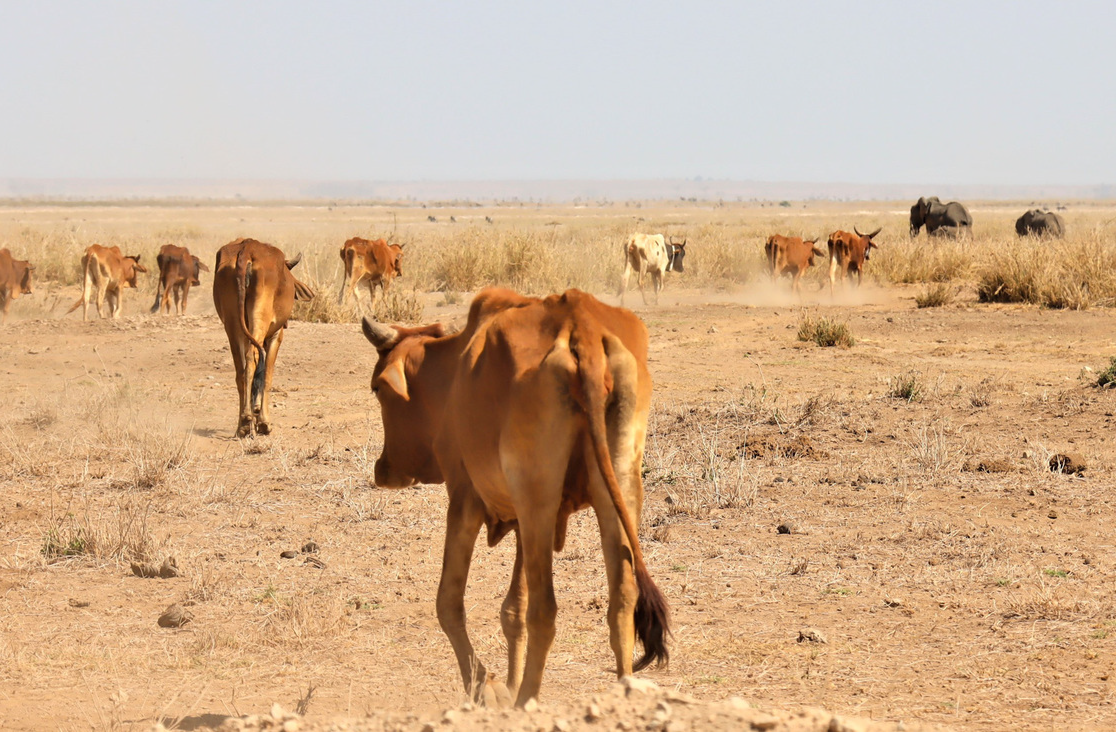
- Climate-resilient livestock management
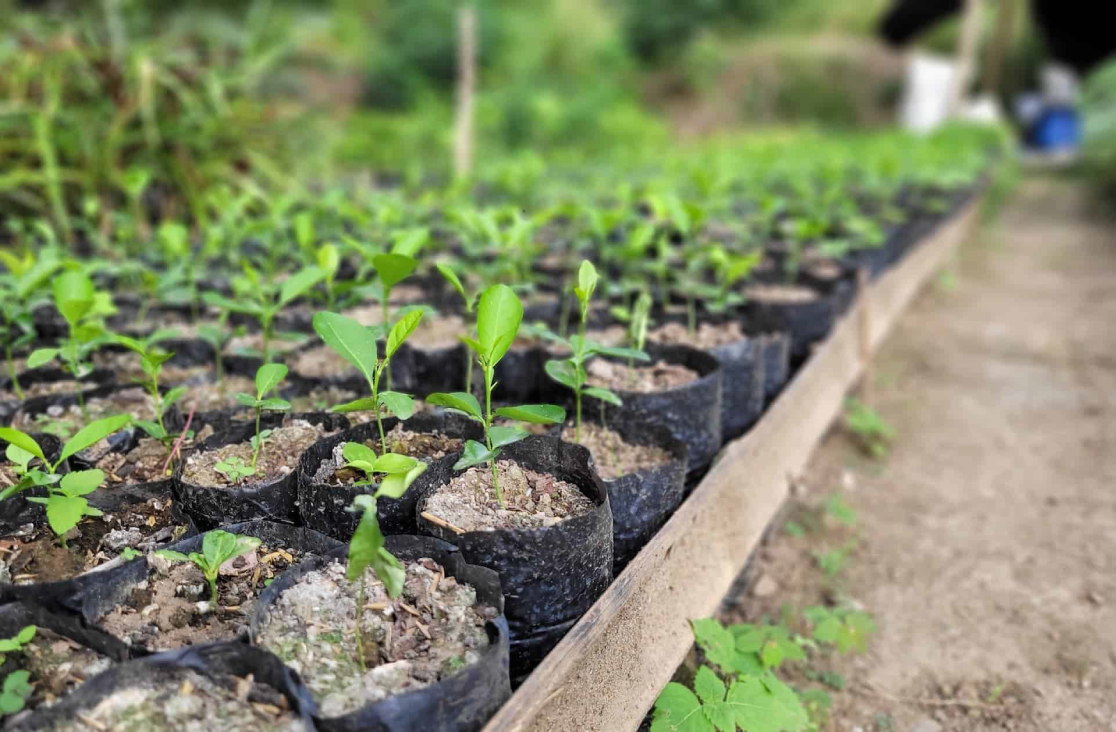
- Agroforestry and sustainable land management practices
- Farmer Field Schools and Demonstration Plots: Farmers participate in hands-on learning experiences through farmer field schools and demonstration plots. These practical sessions showcase the effectiveness of climate-smart agriculture techniques in real-world settings.
- Access to Climate Information Services: Extension services provide farmers with access to timely and accurate climate information, including weather forecasts, seasonal outlooks, and early warning systems for extreme events. This enables farmers to make informed decisions about planting, irrigation, and other farming practices.
- Digital Tools and Technologies: The program utilizes digital platforms and mobile technologies to disseminate information, provide advisory services, and connect farmers with markets and resources. This enhances access to information and facilitates knowledge sharing.
- Gender-Responsive Approach: Extension services are designed to address the specific needs and challenges faced by women farmers, ensuring equitable access to information and resources.
Expected Impacts:
- Increased Agricultural Productivity: Climate-smart practices lead to improved yields and increased income for farmers, even in the face of climate variability.
- Enhanced Food Security: Resilient agricultural systems contribute to stable food production and improved nutrition for communities.
- Reduced Greenhouse Gas Emissions: Sustainable land management and efficient resource use contribute to mitigating climate change.
- Improved Livelihoods: Increased income and reduced vulnerability to climate shocks enhance the livelihoods of farming communities.
- Empowered Farmers: Farmers gain the knowledge and skills to adapt to climate change and make informed decisions about their farming practices.
By investing in Climate-Smart Agriculture Extension Services, [County Name] County is empowering farmers to build resilient and sustainable agricultural systems that can thrive in a changing climate.